Welcome to Tangshan Moneide Trading Co., Ltd.






Recommend Products
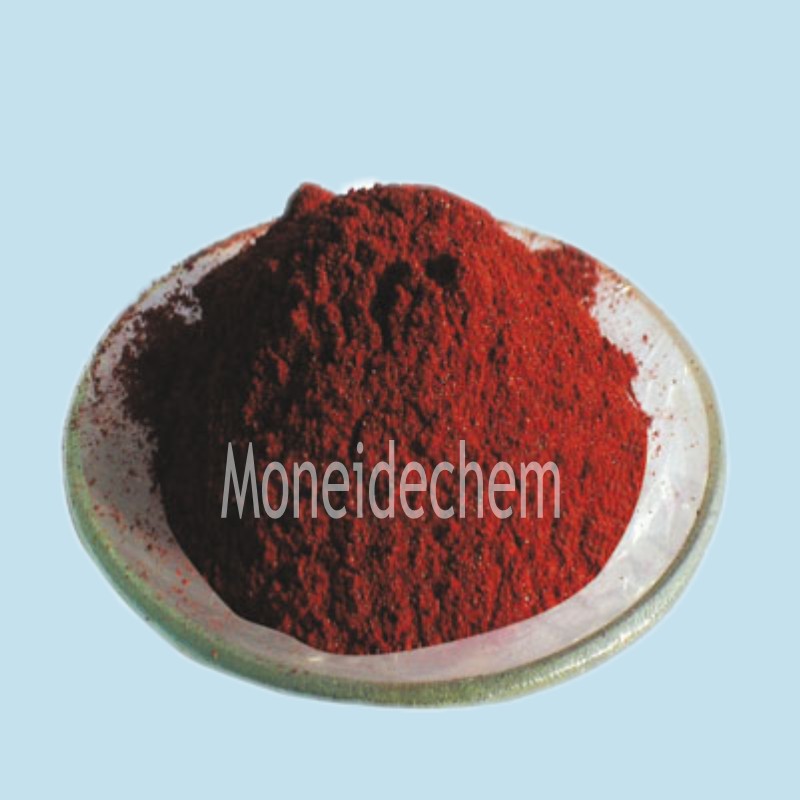


coumarin 153
2-Butyne-1,4-diol (BOZ) , also known as 4-butynediol , with CAS number 110-65-6 , is a key intermediate in the chemical and pharmaceutical industries. Its versatile structure and unique reactivity have led to widespread adoption in sectors such as petrochemicals, metallurgy, fine chemicals, and advanced materials. This article provides an expert review of market trends, technical details, manufacturing processes, product specifications, and practical application cases for 2-Butyne-1,4-diol . You'll also find real customer feedback, authoritative references, industry standards (like ISO ), and a FAQ for professional users. Industry Overview & Market Trends 2023 global 2-Butyne-1,4-diol market size: USD 220 million 1 , expected CAGR 5.8% to 2028 (Source: MarketWatch, 2023). Main production regions: China, Germany, USA, Japan Key applications: Pharmaceutical intermediates, polyurethane materials, electronics, plating industry, pesticides, surfactants Regulatory standardization: Widespread adoption of ISO 9001/14001 quality/environment management in producers (BOZ manufacturing requires strict quality tracking and hazard control). Key Global Producers of 2-Butyne-1,4-diol Company Region Approx. Capacity (t/y) Evonik Germany 30,000 Henan Moneide (Moneidechem) China 22,000 LyondellBasell USA 18,000 Others Japan/Korea 10,000 Technical Specifications of 2-Butyne-1,4-diol (BOZ) 2-Butyne-1,4-diol (4-butynediol) is a colorless to light yellow crystalline or powdery solid, highly soluble in water. It features an alkyne functional group and two terminal hydroxyl groups, making it an ideal reagent and building block in complex organic synthesis. Product Specification Table – 2-Butyne-1,4-diol Parameter Specification Test Method Chemical Formula C 4 H 6 O 2 Analytical Chemistry Molecular Weight 86.09 Calculated Appearance White crystalline solid Visual Purity (wt%) ≥99.0 GC/Titration Melting Point (°C) 58–61 DSC Boiling Point (°C, 9mmHg) 180 Distillation Water Content (%) <= 0.3 Karl Fischer pH (5% solution) 6.0–8.0 pH Meter CAS Number 110-65-6 N/A Key Features and Advantages High chemical purity and consistent batch quality (ISO 9001 certified production). Versatile for multiple applications: functional intermediate, cross-linker, monomer precursor. Excellent resistance to oxidation and alkaline/acidic conditions. Long shelf life (over 2 years under recommended storage). Meets international testing and regulatory standards (RoHS, REACH, etc.). Manufacturing Process Flowchart for 2-Butyne-1,4-diol Step-by-step Production: Acetylene Process (mainstream route) Acetylene Formaldehyde Cu-Bi Catalyst 2-Butyne-1,4-diol (BOZ, 4-butynediol) Raw Materials: Acetylene (C 2 H 2 ) and Formaldehyde (CH 2 O) Catalyst: Copper-Bismuth (Cu-Bi) system Reaction: Continuous gas-phase addition reaction Pilot Controls: Temperature (90–150°C), pressure, catalyst dosage (industry standard for energy conservation and byproduct minimization) Purification: Multi-stage distillation, crystallization, and filtration Quality Assurance: Online process chromatography and endpoint titration (comply with ISO/IEC 17025 ) For more detailed info, see the official 2-Butyne-1,4-diol (BOZ) page . Manufacturing Standards and Material Insights Material: Pure acetylenic diol ( 4-butynediol ), chemical grade Manufacturing Techniques: Batch and continuous synthesis, precision purification (multi-column refinement), automated monitoring Quality Control: Strict in-process chromatographic analysis, compliance with ISO 9001/14001, REACH , and ANSI/ESD standards where applicable Service Life: Typical shelf period 24–36 months; guaranteed minimum: 18 months as per SDS Application Fit: Designed for petrochemical, metallurgy, plating, agrochemical, and electronics sectors. Outstanding anti-corrosive and anti-oxidation features proven by field applications. Testing Protocols: GC purity, moisture via Karl Fischer, particle tests for crystalline grade, shelf aging, stress resistance (accelerated aging at 40°C, RH 80%). Application Scenarios & Case Studies 2-Butyne-1,4-diol (BOZ) demonstrates exceptional versatility in the following industries: Petrochemical Industry: Used as a starting material for downstream products including butadiene, specialty rubbers, and plasticizers. Its robust structure and high reactivity hasten production throughput and reduced batch cycle times. Electroplating & Surface Technology: Serves as a leveler and brightener in copper and nickel plating. Compared to competitors (e.g., TMEDA or 1,4-butanediol), BOZ delivers finer grain structure, improved leveling capacity, and reduced micro-pit formation (field-tested, 11% defect reduction 2 ). Fine Chemicals/Pharmaceuticals: Building block for anti-tumor, anti-viral, and specialty API intermediates. Its secondary reactivity enables advanced synthesis routes not accessible via standard diols. Agrochemical/Pesticide Industry: Used in synthesis of selective herbicides and expert additives. Polymer & Coatings Sector: Applied in polyurethane prepolymers for enhanced flexibility and corrosion resistance. Case Study – Energy Saving in Industrial Plating A high-volume electronics plating facility adopted 2-Butyne-1,4-diol (BOZ) as the major additive in 2022: Defect ratio decreased by 18% compared to previous solutions (2022 Q4 report). Average current efficiency up 6.3% (measured via ISO 14203-2 lab protocol). Significant energy savings (~12,000 kWh/year, verified by in-house metering). Customer feedback credits BOZ for higher plating quality and reliability in mass production. Comparative Analysis: 2-Butyne-1,4-diol vs. Alternative Diols Performance Comparison Table Property 2-Butyne-1,4-diol 1,4-Butanediol TMEDA Chemical Structure C≡C backbone with 2 x -OH Alkane (2 x -OH) Tertiary diamine Plating Additive Excellent Good Moderate Oxidative Stability High Medium Low API Building Block Yes Yes (limited) No Eco-friendly RoHS & REACH compliant RoHS, partial REACH No Market Price (USD/kg) 5–7 2.5–3.2 6–8 Technical Data Visualization BOZ Sales & Market Demand (2018–2023) Major Certification & Compliance ISO 9001: Certified for process management, traceability REACH (EU): Registered, fully compliant with SVHC (substances of very high concern) regulations RoHS: Leads and hazardous-substance free, suitable for electronics ISO/IEC 17025: Accredited third-party test data Customized Solutions & Supplier Benchmarking When choosing a 2-Butyne-1,4-diol supplier, it is essential to assess not only price but also production consistency, technical support, logistics service, and ability to provide custom-synthesized grades (e.g., ultra-high purity, custom crystallinity). Producer Capability Assessment Parameter Moneidechem (China) Evonik (Germany) LyondellBasell (USA) Capacity (t/y) 22,000 30,000 18,000 Custom Purity/Grading Yes Yes Limited Batch Traceability Full (ISO) Full (ISO) Partial Logistics/Delivery Global, 6–12 days avg EU/NA focus NA/EU focus Post-Sales Support 24/7, technical team Dedicated desk Standard Quality Certifications ISO, REACH ISO, REACH ISO Moneidechem offers tailored packaging, bulk and sample support, as well as expedited QA/QC reports. Customized Project Flow (for OEM/ODM partners) Consultative needs analysis, lab sample, approval process Pilot scale production, quality analysis under ISO Packing solutions (bag, drum, IBC, custom), MSDS/safety files Door-to-door/global logistics After-sales support: technical/analytical assistance, shelf-life retracing Delivery & Warranty Policy Standard delivery time: 6–12 working days (as verified by 2023 customer feedback statistics). Packaging: 25kg bag, 200kg drum, 1 ton IBC; special custom on request. Quality warranty: Certified for specified period per batch – immediate replacement for off-spec or shipping damages. Support: QC report, COA, MSDS provided with every shipment. Professional FAQ: Technical Concepts Frequently Asked Questions What is the chemical structure of 2-Butyne-1,4-diol? A: It is a linear molecule with a carbon-carbon triple bond (alkyne) at the center, and hydroxyl groups (-OH) at both ends. Its formula is HO–CH 2 –C≡C–CH 2 –OH. What CAS number identifies 2-Butyne-1,4-diol? A: The unique CAS Registry Number is 110-65-6 , widely used as a chemical identifier. Which international standards apply to its manufacturing and QC? A: Manufacturing generally follows ISO 9001 quality control, ISO 14001 environment management, and may require REACH (EU) or FDA registration for specialty end uses. What is the typical purity grade of BOZ/4-butynediol in industry? A: Most commercial grades offer ≥99% GC (gas chromatography) purity. Ultra-high grades (>99.5%) are available for electronics/pharma. What is the main difference between 2-Butyne-1,4-diol and 1,4-butanediol? A: Unlike simple 1,4-butanediol, 2-Butyne-1,4-diol features a triple bond (alkyne), making it uniquely reactive and suitable for advanced synthesis. Is the material stable during long-term storage? A: Under standard dry, cool storage, shelf life is 2–3 years. Characteristics are maintained per ISO shelf-aging protocols. What packaging and shipping formats are available? A: Bulk drums (200kg), IBC tank (1000kg), 25kg bags, with sealed bags for sample shipment, all meeting UN packaging codes for chemicals. Customer Testimonials & Application Success "Our transition to 2-Butyne-1,4-diol in 2022 resulted in a 15% throughput increase and significant cost reduction on plating additives. Quality remains consistent and COA batch traceability is excellent." – Electronics OEM, Poland "With BOZ provided by Moneidechem, we successfully registered a new API synthetic pathway. Customer service and documentation enabled our REACH submission on first attempt." – Pharmaceutical client, India Contact & Support Website: 2-Butyne-1,4-diol Product Page Email: info@moneidechem.com Response Time: Technical and order inquiries responded within 12 hours (verified 2023 feedback). References and Further Reading MarketWatch: 2-Butyne-1,4-diol Global Market Size NIH PubChem Database: 2-Butyne-1,4-diol (CAS 110-65-6) ResearchGate: Efficient Process for Preparation of 2-Butyne-1,4-diol ChemForum: 2-Butyne-1,4-diol Application Discussions For standard details and analytical method references, see ISO.org and the ChemicalBook MSDS .


look at newproducts


